Seoul's Bukchon Hanok Village: A Self-Guided Walking Itinerary for Cultural Immersion
This itinerary is designed for travelers seeking an authentic experience of traditional Korean architecture and culture within Seoul. It focuses on a self-guided walking tour of Bukchon Hanok Village, offering a detailed route and practical tips for a fulfilling visit.
Key Takeaways
- A curated walking route through Bukchon Hanok Village, highlighting key viewpoints and cultural sites.
- Practical advice on navigating the village, respecting residents, and maximizing your experience.
- Suggestions for incorporating nearby attractions and local cuisine into your day.
- Information on the historical significance and architectural styles prevalent in the village.
- Tips for capturing memorable photographs and understanding local etiquette.
Understanding Bukchon Hanok Village's Layout
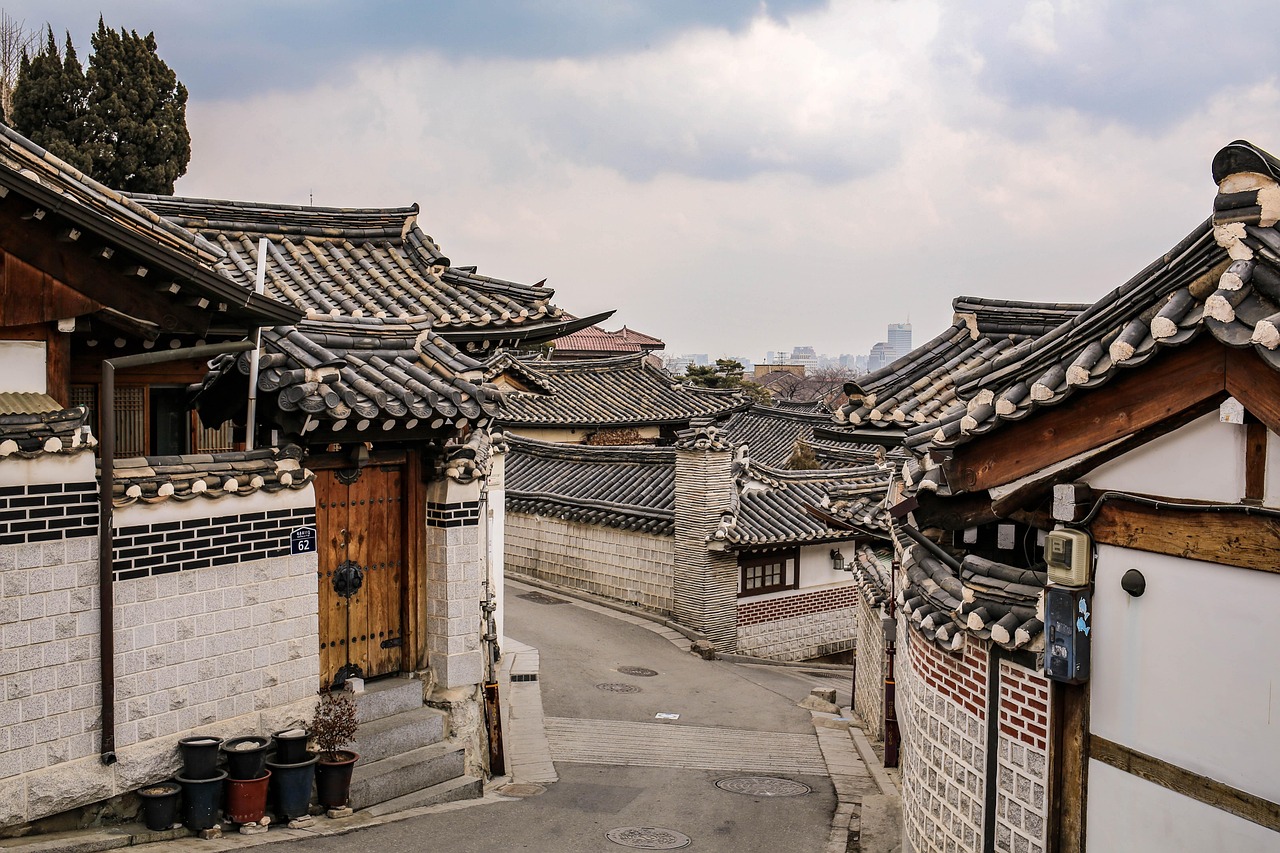
Bukchon Hanok Village is nestled between Gyeongbokgung Palace and Changdeokgung Palace, two of Seoul's most prominent royal residences. Its name, "Bukchon," literally translates to "north village," referring to its location north of Cheonggyecheon Stream. The village is characterized by its densely packed traditional Korean houses, known as hanok, which were primarily built during the Joseon Dynasty. Unlike many reconstructed historical sites, Bukchon is a living neighborhood where people still reside. This means it's crucial to maintain a quiet and respectful demeanor while exploring. The village is divided into several areas, each with its own unique charm and architectural nuances. Understanding this layout is the first step to a rewarding visit.
The Self-Guided Walking Route: A Step-by-Step Exploration
This route is optimized for a leisurely pace, allowing ample time for photography and soaking in the atmosphere. It's best experienced on foot, so wear comfortable shoes. The total walking distance is approximately 3-4 kilometers, depending on detours.
- Start Point: Anguk Station (Seoul Subway Line 3) Exit 1. As you exit, you'll be on the main street leading towards the village.
- Walk towards Bukchon-ro 5-gil. This is the primary artery into the village. You'll begin to see the distinctive tiled roofs and stone walls of the hanok.
- Bukchon Hanok Village Information Center. Located early in your walk, this is a good place to pick up a map and ask any immediate questions.
- Bukchon-ro 11-gil (The "Eight Scenic Views" of Bukchon). This is arguably the most iconic street in Bukchon. Follow the signs for the "Eight Scenic Views." These are specific vantage points that offer the most picturesque perspectives of the hanok clustered together, with the Seoul skyline in the distance. Take your time at each viewpoint, especially Viewpoint 3 and Viewpoint 4, which are particularly famous for their photogenic qualities.
- Explore the smaller alleys. Don't be afraid to wander off the main paths. Many of the most charming and authentic scenes are found in the narrower, winding alleys. Look for traditional courtyards, intricate wooden doors, and unique roof designs.
- Continue towards Gahoe-dong. This area is known for its well-preserved hanok and offers a slightly more residential feel. You might spot small craft shops or tea houses tucked away here.
- Gahoe Museum. If you're interested in a deeper dive into Korean folk art and artifacts, this small museum is worth a visit. It's housed in a traditional hanok.
- Samcheong-dong Road. As you descend from the higher parts of Bukchon, you'll reach Samcheong-dong Road. This area offers a contrast to the traditional village, with trendy cafes, art galleries, and boutiques. It's a good place to stop for a break or lunch.
- Optional Detour: Gyeongbokgung Palace or Changdeokgung Palace. Depending on your time and interest, you can easily extend your visit to explore either of these magnificent palaces, both within walking distance.
Architectural Styles and Historical Context
The hanok in Bukchon represent a variety of styles, reflecting the social status and professions of their former inhabitants. Most of the houses date back to the early 20th century, built for government officials and wealthy merchants during the Japanese colonial period. You'll notice the distinct features of Joseon Dynasty architecture, including:
- Giwa (Tiled Roofs): The elegant, curved tiled roofs are a hallmark of traditional Korean architecture. The color and style of the tiles often indicated the owner's status.
- Ondol (Underfloor Heating): This ancient heating system is a practical innovation that allowed residents to stay warm during the harsh Korean winters.
- Daecheongmaru (Wooden Floor Hall): A raised wooden floor in the center of the house, used for relaxation and ventilation.
- Materials: Natural materials like wood, stone, and earth were predominantly used, creating a harmonious integration with the surrounding environment.
The preservation of Bukchon is a testament to the community's efforts to maintain its heritage while adapting to modern life. Understanding these architectural elements will enhance your appreciation of the village's beauty and history.
Practical Tips for Your Visit
To ensure a smooth and enjoyable experience, keep these practical tips in mind:
| Aspect | Recommendation |
|---|---|
| Best Time to Visit | Weekdays are generally less crowded than weekends. Spring (April-May) and Autumn (September-October) offer pleasant weather and beautiful scenery. Early morning or late afternoon can provide softer light for photography and fewer crowds. |
| Respectful Conduct | This is a residential area. Keep noise levels to a minimum, especially in the narrow alleys. Avoid peeking into private homes or yards. Do not litter. |
| Photography | While photography is encouraged, be mindful of residents' privacy. Avoid using flash in narrow alleys or when photographing people. The "Eight Scenic Views" are specifically designed for photos. |
| Getting Around | The village is best explored on foot. Wear comfortable shoes. The terrain can be hilly in some parts. |
| Restrooms | Public restrooms are available near the Information Center and in some of the surrounding areas like Samcheong-dong. |
| Connectivity | Consider purchasing a local SIM card or pocket Wi-Fi device for easy navigation and communication. Free Wi-Fi hotspots are available but can be inconsistent. |
Incorporating Nearby Attractions and Dining
Bukchon Hanok Village is ideally situated for a day of cultural exploration. After your walk, consider these options:
- Palaces: As mentioned, Gyeongbokgung Palace and Changdeokgung Palace are within easy walking distance. Visiting one or both will provide a comprehensive understanding of Joseon Dynasty royal life.
- Insadong: A short walk from Bukchon, Insadong is famous for its traditional crafts, tea houses, art galleries, and street food. It's a great place to find souvenirs.
- Samcheong-dong: This area offers a more modern yet artistic vibe, with numerous cafes, restaurants, and small galleries. It's perfect for a relaxed lunch or coffee break.
- Dining: Within Bukchon itself, you'll find a few charming tea houses and small restaurants offering traditional Korean snacks and meals. For a wider variety, head to Samcheong-dong or Insadong. Look for places serving bibimbap (mixed rice), tteokbokki (spicy rice cakes), or mandu (dumplings).
Photography Tips for Bukchon
Capturing the essence of Bukchon requires a keen eye for detail and an understanding of its unique aesthetic. Here are some tips:
- Focus on Details: Beyond the panoramic views, look for the intricate details of the hanok: the curved eaves, the wooden door frames, the stone walls, and the small potted plants in courtyards.
- Utilize the Alleys: The narrow, winding alleys create a sense of depth and mystery. Experiment with leading lines and framing shots using doorways or windows.
- Golden Hour: The soft light of early morning or late afternoon can dramatically enhance the textures and colors of the hanok.
- Capture the Atmosphere: Try to convey the quiet, serene atmosphere of the village. This might involve waiting for moments when the alleys are empty or focusing on elements that suggest daily life.
- Respectful Portraits: If you wish to photograph residents, always ask for permission first. It's often better to focus on the architecture and the general ambiance.
Frequently Asked Questions
Q1: Is Bukchon Hanok Village free to enter?
A1: Yes, the village itself is a public area and is free to explore. There are charges for specific museums or attractions within or near the village.
Q2: How much time should I allocate for visiting Bukchon Hanok Village?
A2: A minimum of 2-3 hours is recommended to walk through the main areas and appreciate the atmosphere. If you plan to visit nearby palaces or museums, you could easily spend half a day or more.
Q3: Are there any specific etiquette rules I should be aware of?
A3: The most important rule is to be quiet and respectful as it is a residential area. Avoid loud conversations, playing music, or entering private property. Do not litter.
Before You Decide
- Korea Tourism Organization: Verify general tourist information and attractions in Seoul.
- Korea National Tourism Organization: Find official tourism resources and travel guides for South Korea.
- Korean Culture and Information Service: Explore Korean culture, history, and lifestyle.
- Government of the Republic of Korea: Check for any official advisories or regulations related to public spaces.



10 Recommended Products
This post contains Coupang Partners affiliate links. If you visit Coupang through one of these links and make a purchase within 24 hours, including a purchase of another eligible product, we may earn a commission at no additional cost to you. Attribution rules, cancellations and returns may affect commission eligibility. / 이 게시물에는 쿠팡 파트너스 제휴 링크가 포함되어 있습니다. 이 링크를 통해 쿠팡에 방문한 뒤 24시간 이내에 다른 상품을 구매하더라도 운영정책상 실적으로 인정되는 구매라면 수수료를 제공받을 수 있습니다. 구매 경로의 최종 기여, 주문 취소 및 반품 등에 따라 수수료가 인정되지 않을 수 있습니다.
 Health Functional FoodsCJ BioCore 500 Billion Probiotics
A high-count probiotic product. Review the strains, storage instructions, and recommended serving.
Shop on Coupang Health Functional FoodsCollagen 3270 Supplement
A collagen supplement option. Check the collagen source, serving size, and ingredients.
Shop on Coupang Health Functional FoodsLacto-Fit Gold Probiotic Powder, 80 Sticks
A daily probiotic supplement in single-serve sticks. Review the strain information, ingredients, and suggested use on the label.
Shop on Coupang Health Functional FoodsLutein and Zeaxanthin 164
A lutein and zeaxanthin supplement. Review ingredient amounts and directions.
Shop on Coupang Health Functional FoodsRTG Omega-3 with Vitamin D
An omega-3 supplement combined with vitamin D. Check the EPA/DHA amounts, ingredients, and suitability before use.
Shop on Coupang K Beauty SkincareAnua Heartleaf 77 Soothing Toner
A calming daily toner with heartleaf for a balanced skincare routine.
Shop on Coupang K Beauty SkincareCOSRX Snail Radiance Dual Essence
A dual-texture essence for a hydrated, radiant-looking complexion.
Shop on Coupang K Beauty SkincareBeauty of Joseon Relief Sun SPF50+
A lightweight daily sunscreen for broad-spectrum UV protection.
Shop on Coupang K Beauty SkincareRound Lab Birch Juice Moisturizing Cream Set
A daily moisturizing cream set for comfortable, hydrated skin.
Shop on Coupang K Beauty SkincareTorriden Dive-In Hyaluronic Acid Toner
A hydrating toner for a fresh, moisture-focused routine.
Shop on CoupangCoupang’s trademarks are used under license from Coupang, LLC or its affiliates.


Comments
Post a Comment