Four Days in Seoul for First-Time Travelers
Planning a first trip to Seoul requires balancing historical landmarks with modern urban experiences to avoid travel fatigue. The most efficient way to see the city is to group attractions by district, utilizing the extensive subway system to minimize transit time between major sites.
Key takeaways
- Focus on one major district per day to reduce travel time.
- Purchase a T-money card immediately upon arrival for seamless public transport access.
- Prioritize early morning visits to popular palaces to avoid peak crowds.
- Use official navigation apps rather than global map services for accurate walking directions.
Day 1: The Royal Heritage and Traditional Culture
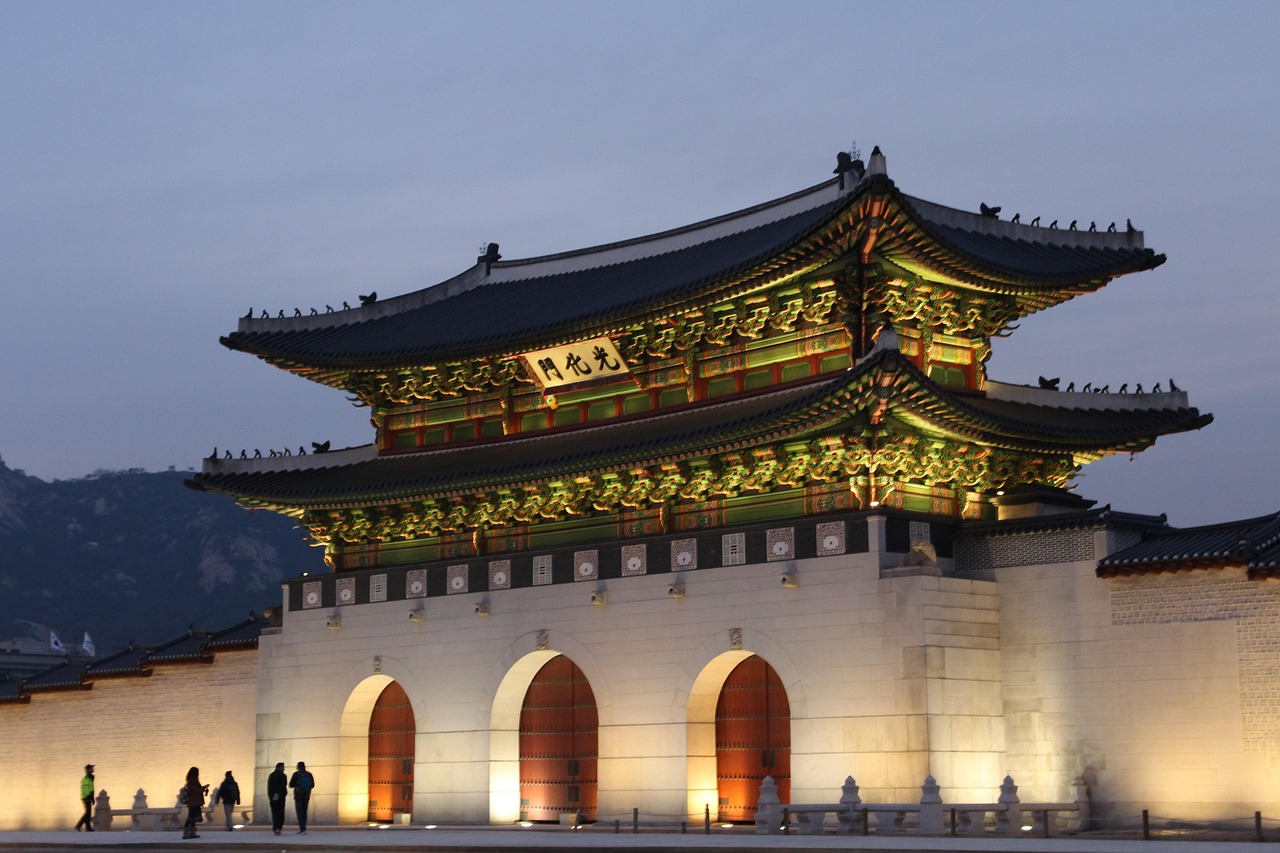
Start your journey in the Jongno-gu district, which serves as the historical heart of the city. Begin at Gyeongbokgung Palace, the largest of the Five Grand Palaces. If you arrive before 10:00 AM, you can witness the Changing of the Guard ceremony at the main gate. From there, walk to the adjacent Bukchon Hanok Village. This area features hundreds of traditional houses, or hanok, dating back to the Joseon Dynasty. Please note that this is a residential area, so maintain a quiet demeanor while exploring the narrow alleys.
Afternoon in Insadong
After a morning of history, head to Insadong. This neighborhood is famous for its traditional tea houses and craft shops. It is the ideal place to purchase authentic souvenirs like calligraphy brushes, ceramics, or traditional snacks. Ensure you explore the Ssamzigil shopping complex, which features a unique spiral walkway lined with local artisan boutiques.
Day 2: Modern Seoul and Panoramic Views
Transition to the modern side of Seoul by visiting the N Seoul Tower, located atop Namsan Mountain. You can reach the base of the tower via the Namsan Cable Car. Once at the summit, the observation deck provides a 360-degree view of the sprawling metropolis. In the afternoon, descend toward Myeong-dong. This area is the epicenter of the Korean beauty industry and street food culture. It is best visited in the late afternoon when the street food stalls begin to set up their carts, offering items like tteokbokki (spicy rice cakes) and hotteok (sweet pancakes).
Day 3: The Gangnam Experience and Cultural Landmarks
Cross the Han River to explore the Gangnam district, known for its high-end fashion and modern architecture. Visit the COEX Mall, which houses the famous Starfield Library—a massive open-space library featuring towering bookshelves. Afterward, take a short trip to Bongeunsa Temple. This Buddhist temple provides a stark, peaceful contrast to the surrounding skyscrapers. It is an active place of worship, so visitors are encouraged to observe the daily rituals with respect.
Day 4: Riverfront Parks and Local Markets
Spend your final day enjoying the leisure culture of Seoul. Visit Hangang Park, specifically the Yeouido or Banpo sections. These areas are perfect for a picnic or a leisurely bike ride along the river. In the evening, head to Gwangjang Market to experience the authentic local dining scene. This market is one of the oldest and largest traditional markets in the country, famous for its mung bean pancakes (bindaetteok) and raw beef (yukhoe).
Transportation and Logistics
Navigating Seoul is straightforward if you understand the public transit hierarchy. The subway system is the most reliable method for long-distance travel, while buses are excellent for reaching specific neighborhoods not directly served by a station.
| Transport Type | Payment Method | Best Use Case |
|---|---|---|
| Subway | T-money Card | Crossing between major districts |
| Bus | T-money Card | Short-distance neighborhood transit |
| Taxi | Credit Card or Cash | Late-night travel or heavy luggage |
Essential Preparation Checklist
Before you depart, ensure you have completed the following steps to ensure a smooth trip:
- [ ] Download a local transit navigation app, as global map services have limited functionality for walking directions in Korea.
- [ ] Purchase a T-money card at a convenience store or subway station and load it with sufficient credit.
- [ ] Check the official operating hours for palaces, as many are closed on specific days of the week (usually Mondays or Tuesdays).
- [ ] Ensure your passport is valid for at least six months beyond your planned date of departure.
- [ ] Carry a portable power bank, as heavy use of navigation apps will drain your phone battery quickly.
Frequently asked questions
What is the best time of year to visit Seoul? The spring (April to May) and autumn (September to October) offer the most pleasant weather for walking and outdoor sightseeing.
Do I need to speak Korean to get around? While knowing basic phrases is helpful, most subway signs, maps, and tourist information centers provide clear English signage and assistance.
Is it customary to tip in restaurants or taxis? No, tipping is not part of the culture in Korea, and it is generally not expected or practiced in any service setting.
Before you decide
- VisitKorea: Verify official tourism information, seasonal event calendars, and travel safety guidelines.
- Korea Tourism Organization: Access comprehensive guides on cultural etiquette and regional travel resources.
As of: May 2026
This information is provided for planning purposes only and does not constitute professional travel or legal advice. Travelers should consult official government resources and qualified travel professionals for specific visa requirements, health regulations, and entry conditions.



10 Recommended Products
This post contains Coupang Partners affiliate links. If you visit Coupang through one of these links and make a purchase within 24 hours, including a purchase of another eligible product, we may earn a commission at no additional cost to you. Attribution rules, cancellations and returns may affect commission eligibility. / 이 게시물에는 쿠팡 파트너스 제휴 링크가 포함되어 있습니다. 이 링크를 통해 쿠팡에 방문한 뒤 24시간 이내에 다른 상품을 구매하더라도 운영정책상 실적으로 인정되는 구매라면 수수료를 제공받을 수 있습니다. 구매 경로의 최종 기여, 주문 취소 및 반품 등에 따라 수수료가 인정되지 않을 수 있습니다.
 Health Functional FoodsCJ BioCore 500 Billion Probiotics
A high-count probiotic product. Review the strains, storage instructions, and recommended serving.
Shop on Coupang Health Functional FoodsCollagen 3270 Supplement
A collagen supplement option. Check the collagen source, serving size, and ingredients.
Shop on Coupang Health Functional FoodsLacto-Fit Gold Probiotic Powder, 80 Sticks
A daily probiotic supplement in single-serve sticks. Review the strain information, ingredients, and suggested use on the label.
Shop on Coupang Health Functional FoodsLutein and Zeaxanthin 164
A lutein and zeaxanthin supplement. Review ingredient amounts and directions.
Shop on Coupang Health Functional FoodsRTG Omega-3 with Vitamin D
An omega-3 supplement combined with vitamin D. Check the EPA/DHA amounts, ingredients, and suitability before use.
Shop on Coupang K Beauty SkincareAnua Heartleaf 77 Soothing Toner
A calming daily toner with heartleaf for a balanced skincare routine.
Shop on Coupang K Beauty SkincareCOSRX Snail Radiance Dual Essence
A dual-texture essence for a hydrated, radiant-looking complexion.
Shop on Coupang K Beauty SkincareBeauty of Joseon Relief Sun SPF50+
A lightweight daily sunscreen for broad-spectrum UV protection.
Shop on Coupang K Beauty SkincareRound Lab Birch Juice Moisturizing Cream Set
A daily moisturizing cream set for comfortable, hydrated skin.
Shop on Coupang K Beauty SkincareTorriden Dive-In Hyaluronic Acid Toner
A hydrating toner for a fresh, moisture-focused routine.
Shop on CoupangCoupang’s trademarks are used under license from Coupang, LLC or its affiliates.


Comments
Post a Comment